
Costa Blanca: A Short Guide to the Coast, Villages and Hidden Corners
Costa Blanca stretches along Spain’s southeastern Mediterranean coast, mainly through the province of Alicante. It is a region known for its sunshine, blue sea, whitewashed towns, mountain views, hidden coves and long stretches of sandy beaches.
But Costa Blanca is much more than a beach destination. Along the coast and inland, you find fishing towns, artistic villages, dramatic cliffs, vineyards, olive groves, local markets, mountain roads and some of the most beautiful viewpoints in the region.
It is this mix of sea, mountains, food, culture and nature that makes Costa Blanca so special.
A coastline full of variety
One of the reasons people love Costa Blanca is that every town has its own feeling. Some places are lively and full of energy, while others are calm, elegant and perfect for slow days by the sea.
The beaches are just as varied. You can find long sandy beaches, small rocky coves, turquoise swimming spots, family-friendly promenades and wild coastal paths with views over the Mediterranean.
This makes Costa Blanca easy to enjoy in different ways — whether you want a relaxed holiday, a nature escape, a food experience, a retreat, or a mix of everything.
Dénia
Dénia sits in the northern part of Costa Blanca and is known for its castle, marina, beaches and strong food culture. It has a lively town centre, beautiful coastline and access to the Montgó Natural Park, making it a great place for both sea and nature lovers.
Dénia is also known for its gastronomy, especially seafood and rice dishes. The town’s food market is not far from the castle, making it easy to combine a walk through Dénia’s historic streets with a taste of local market life. It is a town where coastal living and food traditions come together beautifully.
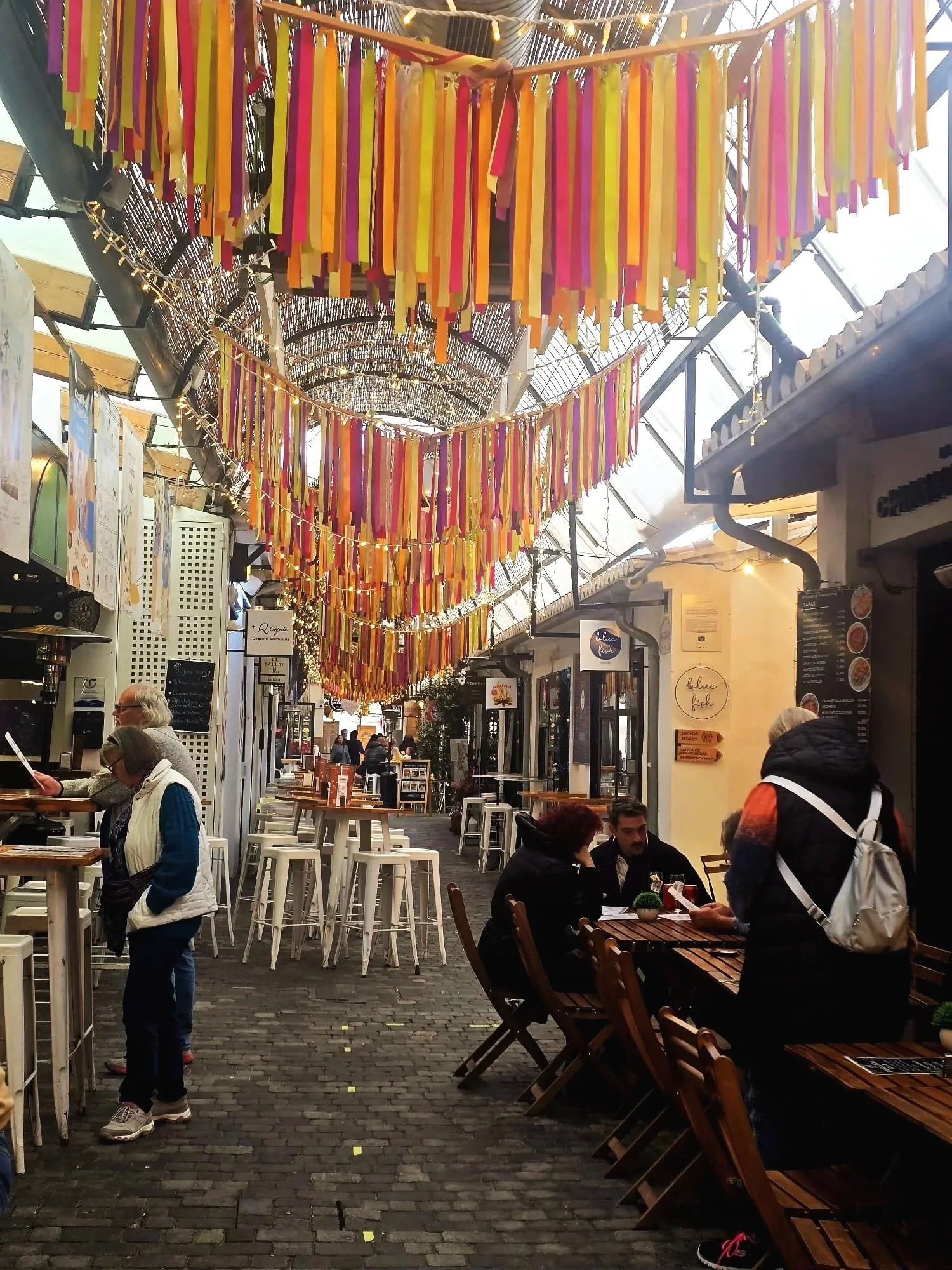
In Dénia, history and food meet —
from the castle streets to the local market.
Oliva
Just north of Dénia, Oliva offers long sandy beaches, dunes and a more relaxed atmosphere. While it is technically outside Alicante province, many visitors combine it with northern Costa Blanca because of its location and natural coastline.
Oliva is ideal for those who enjoy quieter beaches, open space and a slower Mediterranean rhythm.
Jávea
Jávea, also known as Xàbia, is one of the most loved towns on the Costa Blanca. It offers a beautiful mix of old town charm, beaches, coves, mountain views and clear blue water.
The area is known for places like Arenal Beach, Granadella Cove and the dramatic coastline around Cap de la Nau. Jávea is perfect for visitors who want both natural beauty and a lively but still elegant coastal atmosphere.
Moraira
Moraira is a smaller coastal town with a calm and refined feeling. It has a pretty marina, clear waters, small beaches and a relaxed village atmosphere.
It is popular with visitors who want beauty without too much noise. Moraira feels peaceful, polished and very Mediterranean, with lovely restaurants, sea views and nearby vineyards.
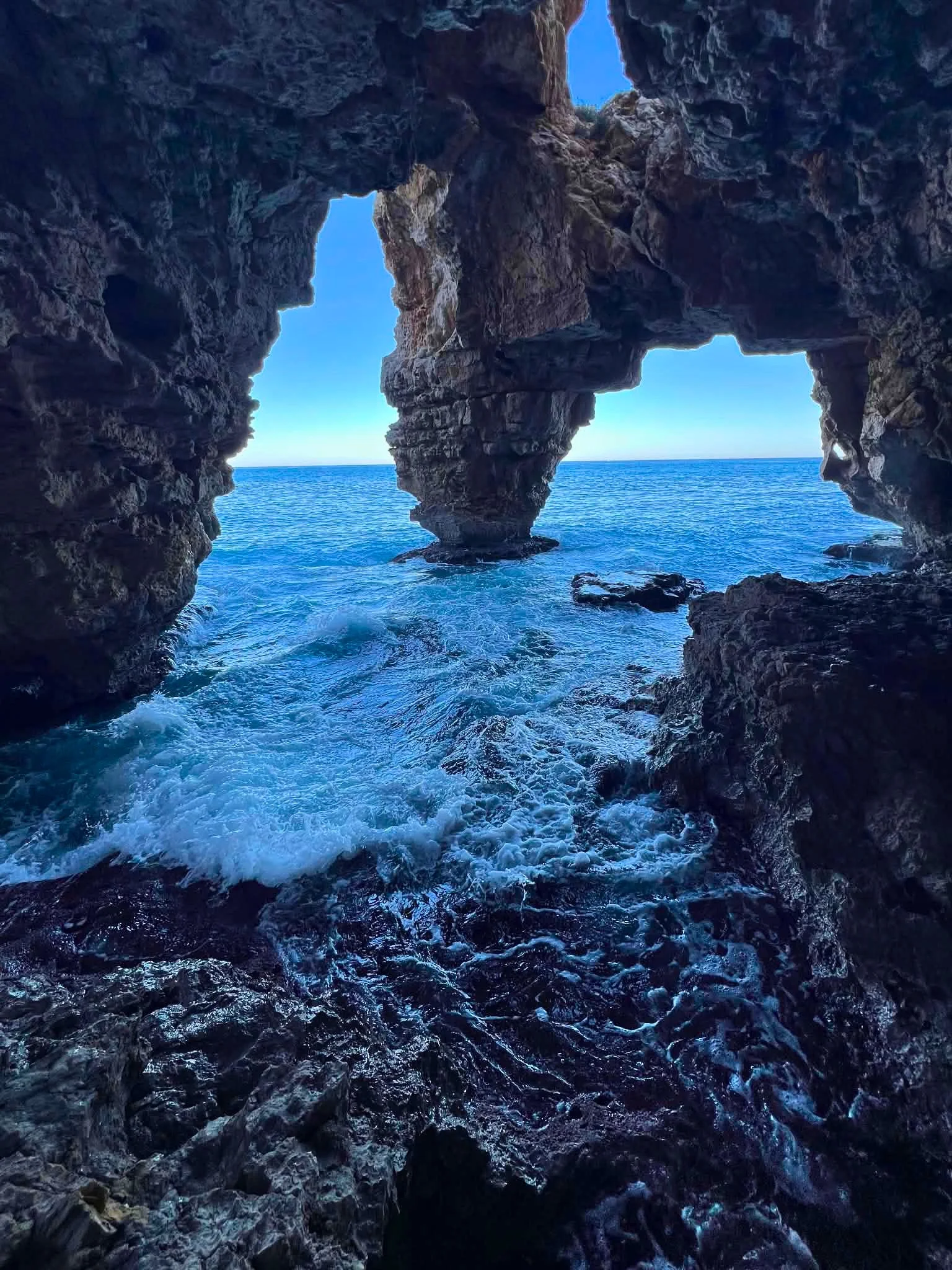
A wilder side of Moraira, where rocky caves, waves and sea light create one of Costa Blanca’s most striking coastal scenes.
Benissa
Benissa is one of the oldest towns in the area and offers a beautiful combination of history, countryside and coast. Its old town has narrow streets, traditional architecture and a more local feeling.
The Benissa coastline is known for small coves, clear water and walking routes along the sea. It is a wonderful place for those who enjoy both cultural charm and natural beauty.
Calpe
Calpe is one of Costa Blanca’s most recognisable coastal towns, famous for the Peñón de Ifach, the large rock that rises dramatically from the sea. The town has sandy beaches, a fishing port, salt flats with flamingos and a lively promenade.
Calpe combines beach life with impressive nature. Climbing or walking near the Peñón gives visitors some of the best views along the coast.
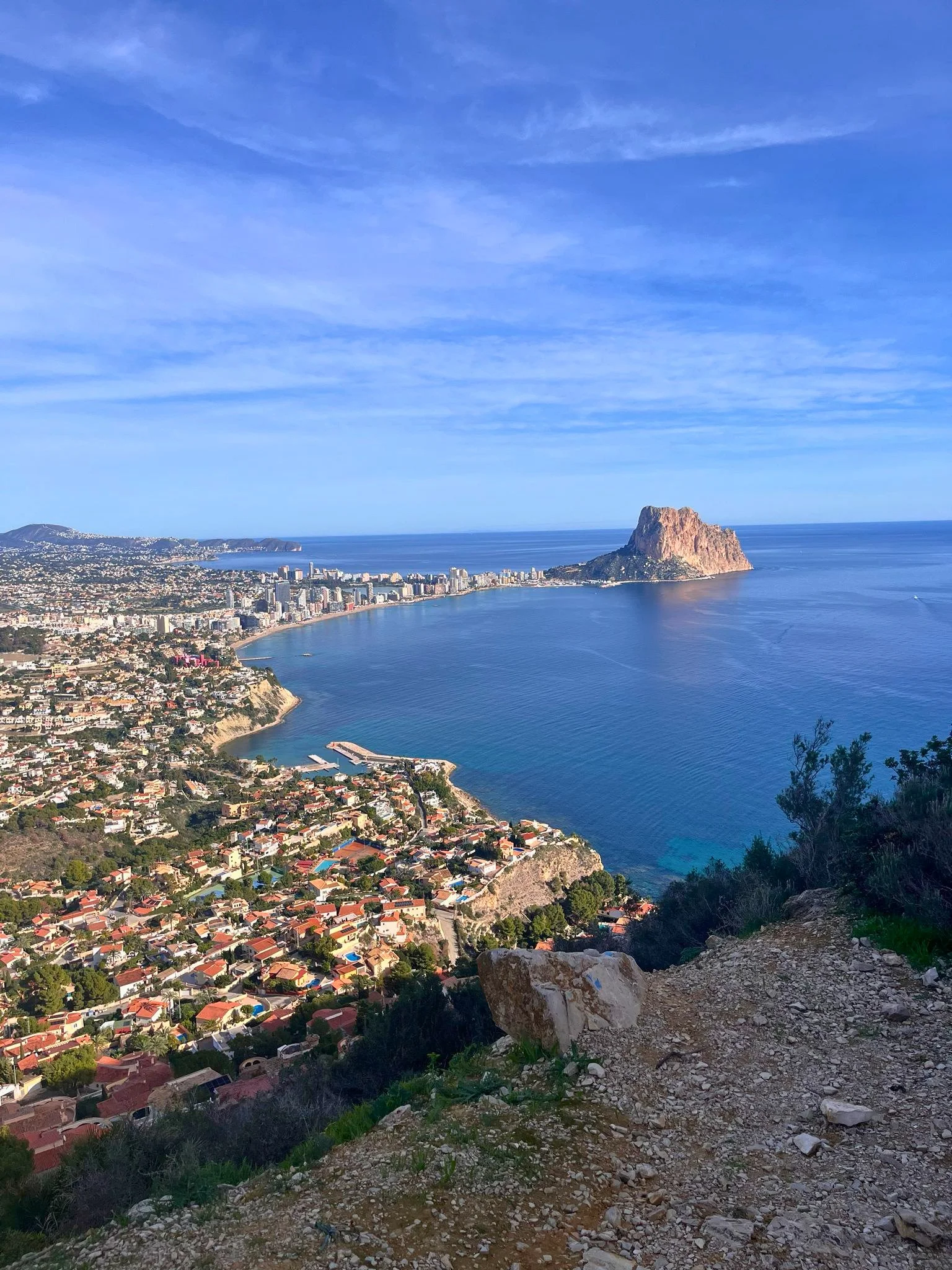
From the mountains above Calpe, Costa Blanca opens into sea, sky and the unmistakable silhouette of the Peñón de Ifach.
Altea
Altea is known for its whitewashed old town, blue-domed church, artistic atmosphere and beautiful sea views. It is one of the most charming places on the Costa Blanca and has a softer, slower feeling than many larger coastal towns.
With its galleries, design shops, restaurants, old streets and peaceful corners, Altea is perfect for visitors who enjoy beauty, creativity and Mediterranean calm.
Albir
Albir is a relaxed coastal town between Altea and Benidorm, known for its beach promenade, calm atmosphere and beautiful views towards the mountains and sea. It has a softer feeling than Benidorm, but is still close to restaurants, cafés, nature and nearby towns.
One of Albir’s highlights is the walk through Sierra Helada Natural Park towards the lighthouse. This route offers some of the most beautiful coastal views in the area, with cliffs, sea air and panoramic views stretching towards Calpe and the Peñón de Ifach.
Albir is perfect for visitors who want an easy coastal base with access to both nature and local life — beach mornings, relaxed lunches, evening walks and hiking routes all close by.
Benidorm
Benidorm is one of the most famous destinations on the Costa Blanca. It is known for its skyline, wide beaches, nightlife, entertainment and large hotels.
But Benidorm also has another side. The old town, viewpoints, nearby nature and surrounding mountains give it more variety than many people expect. It is lively, energetic and very different from the smaller villages along the coast.
Guadalest
Guadalest is not on the coast, but it is one of the most beautiful inland places to visit from Costa Blanca. Set high in the mountains, the village is known for its castle, white houses, dramatic views and turquoise reservoir below.
It offers a completely different experience from the beach towns. Guadalest shows the mountain side of Costa Blanca — quieter, more traditional and full of history.
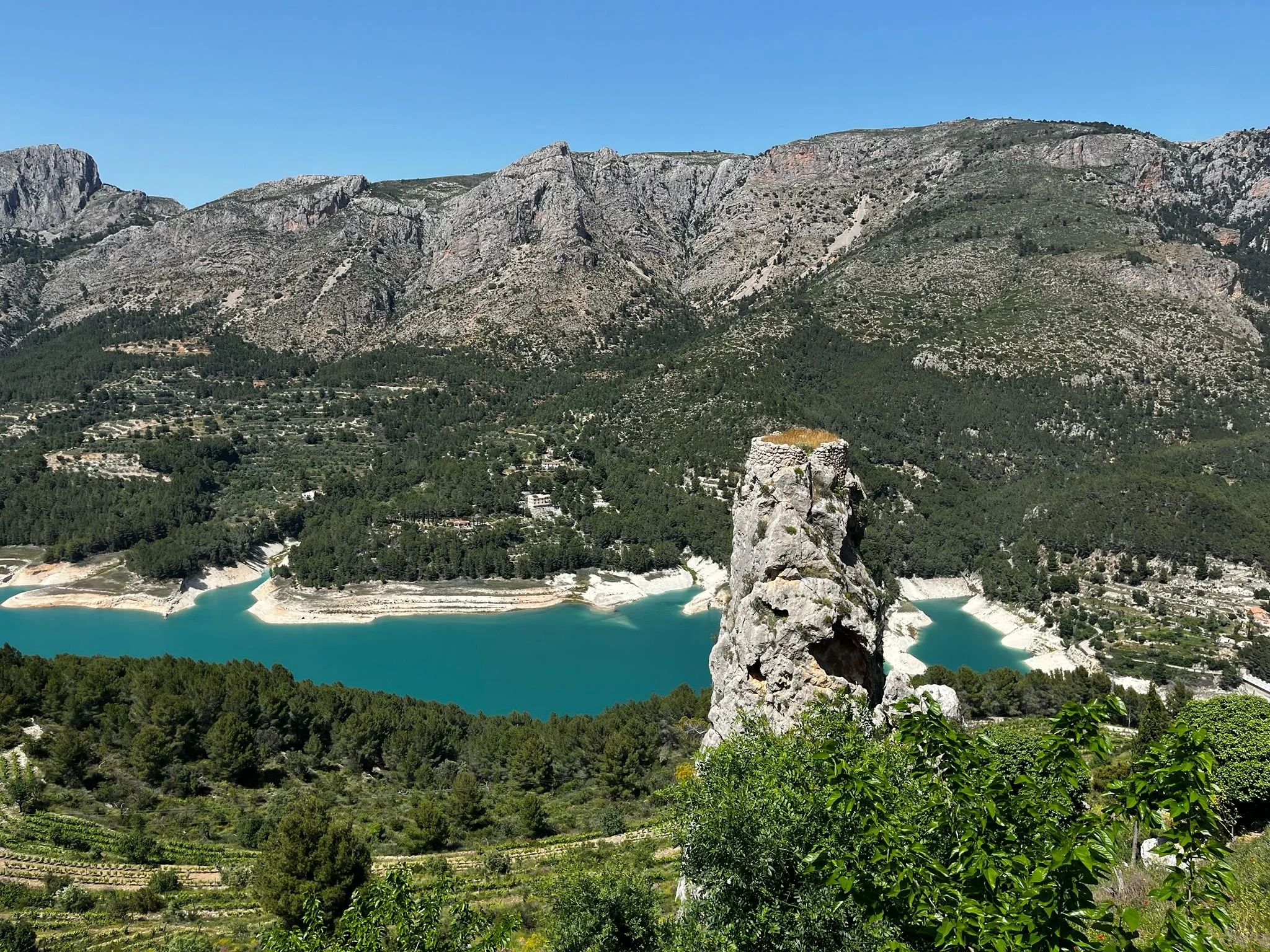
High above the coast, Guadalest reveals a quieter side of Costa Blanca — mountains, history and turquoise water below.
More than beaches
Costa Blanca is often known for sun and sea, but the region offers much more. Inland from the coast, the landscape quickly changes into valleys, mountains, citrus orchards, olive groves, vineyards, almond trees and traditional villages.
This is what makes the area so rich for slow travel, food experiences and agrotourism. Visitors can spend one day by the sea and the next walking through a mountain village, tasting olive oil, visiting a vineyard or enjoying lunch on a finca.
Few places offer so much variety within such short distances.
Hiking between sea and mountains
Costa Blanca is also a wonderful region for hiking. Behind the coastline, the landscape rises quickly into mountains, valleys, cliffs and natural parks, giving visitors many opportunities to explore on foot.
From coastal walks with sea views to mountain routes near places like Montgó, Bernia, Guadalest, Puig Campana and the Benissa coastline, the region offers hikes for different levels and styles. Some routes are gentle and scenic, while others are more challenging and reward you with panoramic views over the Mediterranean.
This makes Costa Blanca especially appealing for travellers who want to combine beach days with nature, movement and quiet moments outdoors.
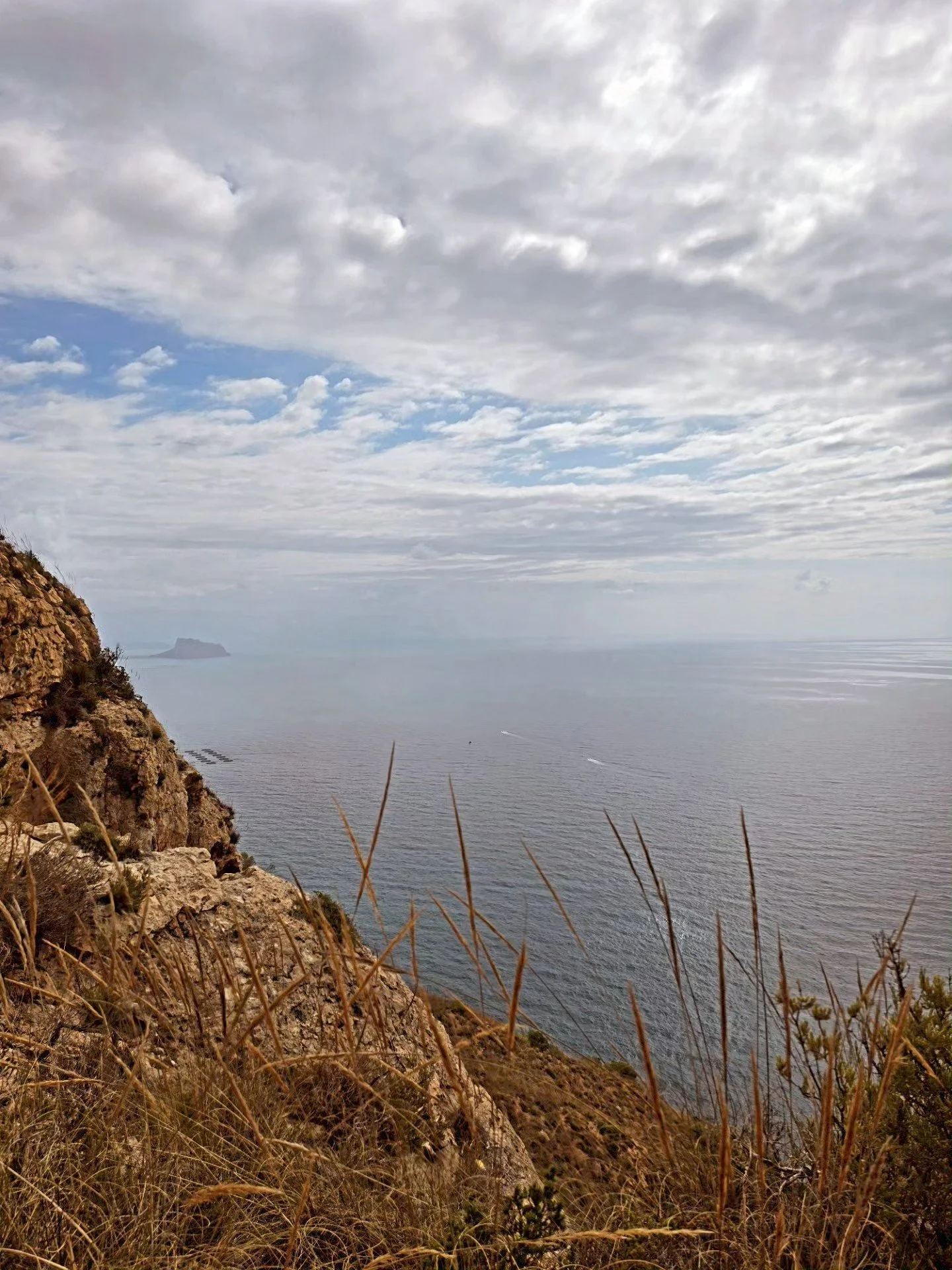
A hiking view from Sierra Helada, where Albir’s mountains meet the Mediterranean and the coast stretches all the way to Calpe.
The Ground & Connect way to experience Costa Blanca
At Ground & Connect, we love Costa Blanca because it offers more than one kind of beauty. It has beaches and coves, but also farmland, mountains, old villages, local producers, markets, food traditions and peaceful natural places.
For us, the real Costa Blanca is found in the combination of all these things — sea, land, people, food and culture.
It is a place to explore slowly, with curiosity and presence. Whether you are visiting Altea, Dénia, Jávea, Moraira, Calpe, Benissa, Guadalest or the hidden countryside in between, Costa Blanca invites you to experience the Mediterranean in a deeper and more personal way.
