
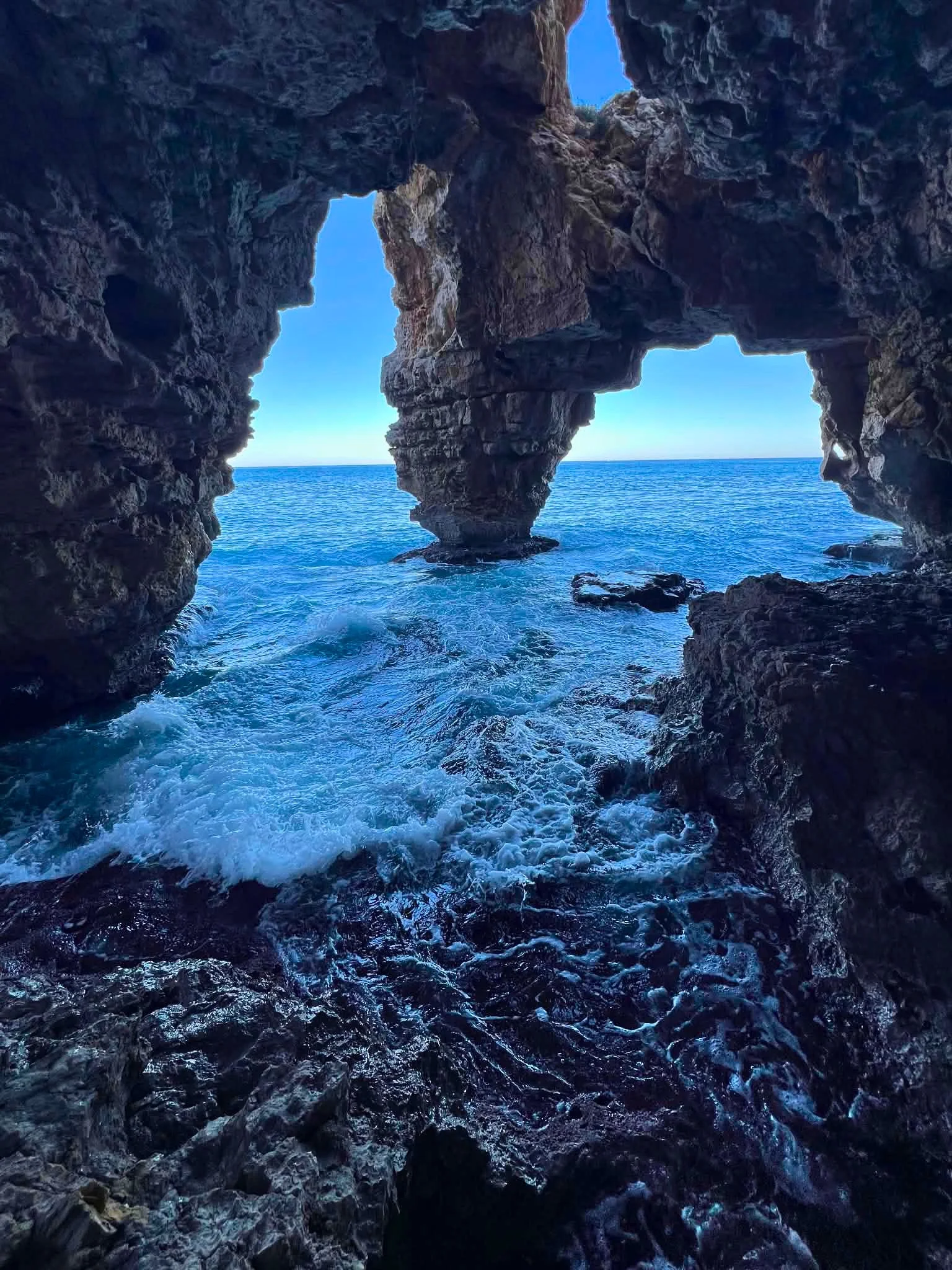

Costa Blanca is located on Spain’s southeastern Mediterranean coast, in the province of Alicante. It stretches along the sea, from lively coastal towns and quiet coves to inland valleys, mountain villages and traditional farmland.
This is where the Mediterranean meets the mountains creating a unique microclimate with mild winters, long sunny seasons and a landscape rich in olive groves, citrus trees, almonds and vineyards.
For visitors, Costa Blanca offers the best of both worlds: the beauty of the coast and the slower, more authentic rhythm of inland Spain.
Why Costa Blanca Is Perfect for Agrotourism
Many people come to Costa Blanca for the beaches, but the region has another side that is just as beautiful — and often more memorable.
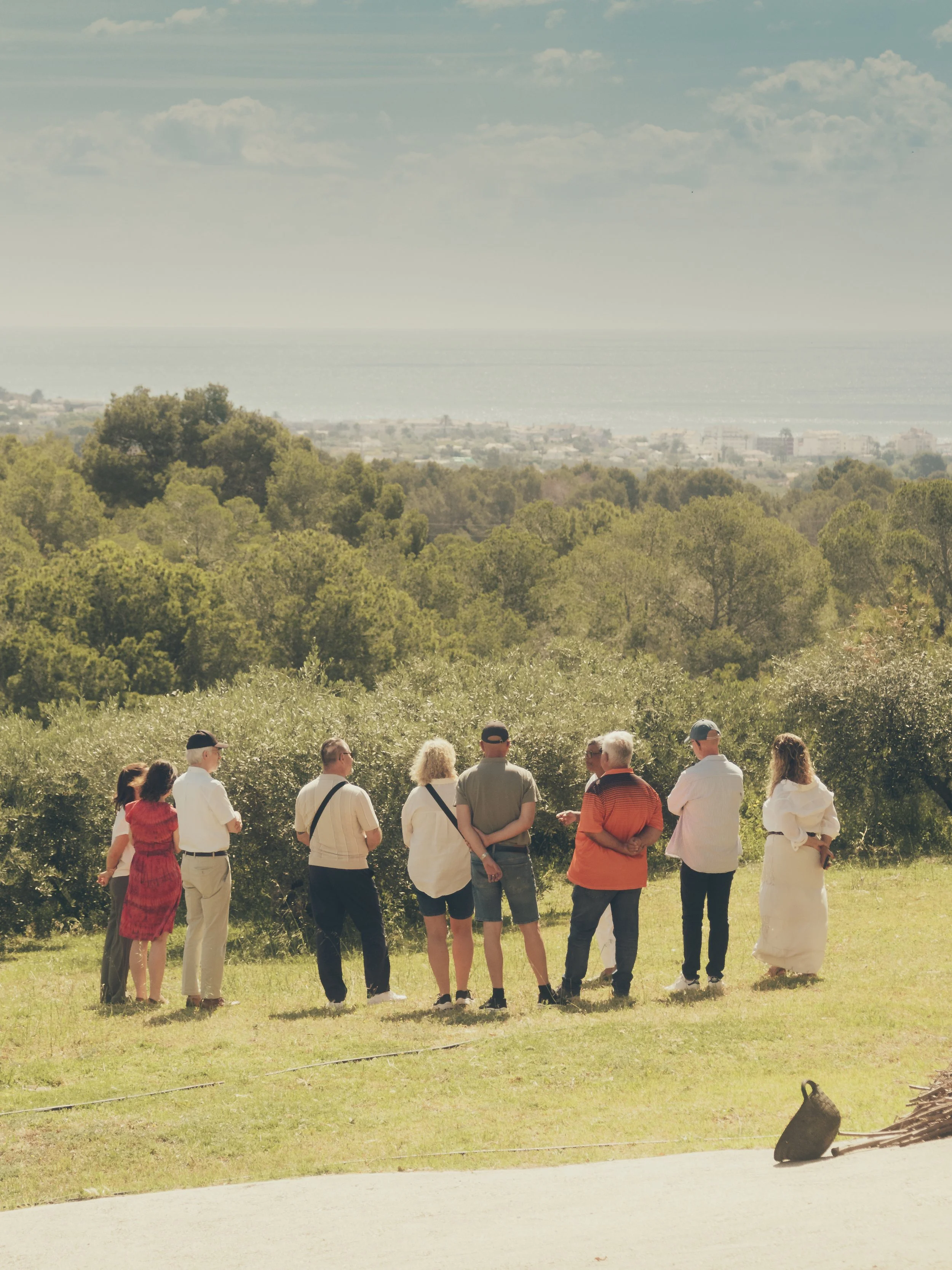
Behind the coastline, the landscape opens into valleys, mountains, traditional villages and farmland that has shaped local life for generations. This is where olive trees grow on terraced hillsides, citrus orchards fill the valleys, vineyards stretch across the countryside and local producers continue traditions passed down through families.

The Flavors of Costa Blanca
Costa Blanca is often described through its beaches, but one of the best ways to understand the region is through its flavours.
Behind the coastline, the land is full of olive groves, vineyards, citrus orchards, almond trees, herbs and small farms. These ingredients are not just part of the landscape — they are part of everyday life, local traditions and the Mediterranean way of eating.
To taste Costa Blanca is to experience the region more deeply.